


Understanding Interactive Learning Tools and Their Impact on User Engagement
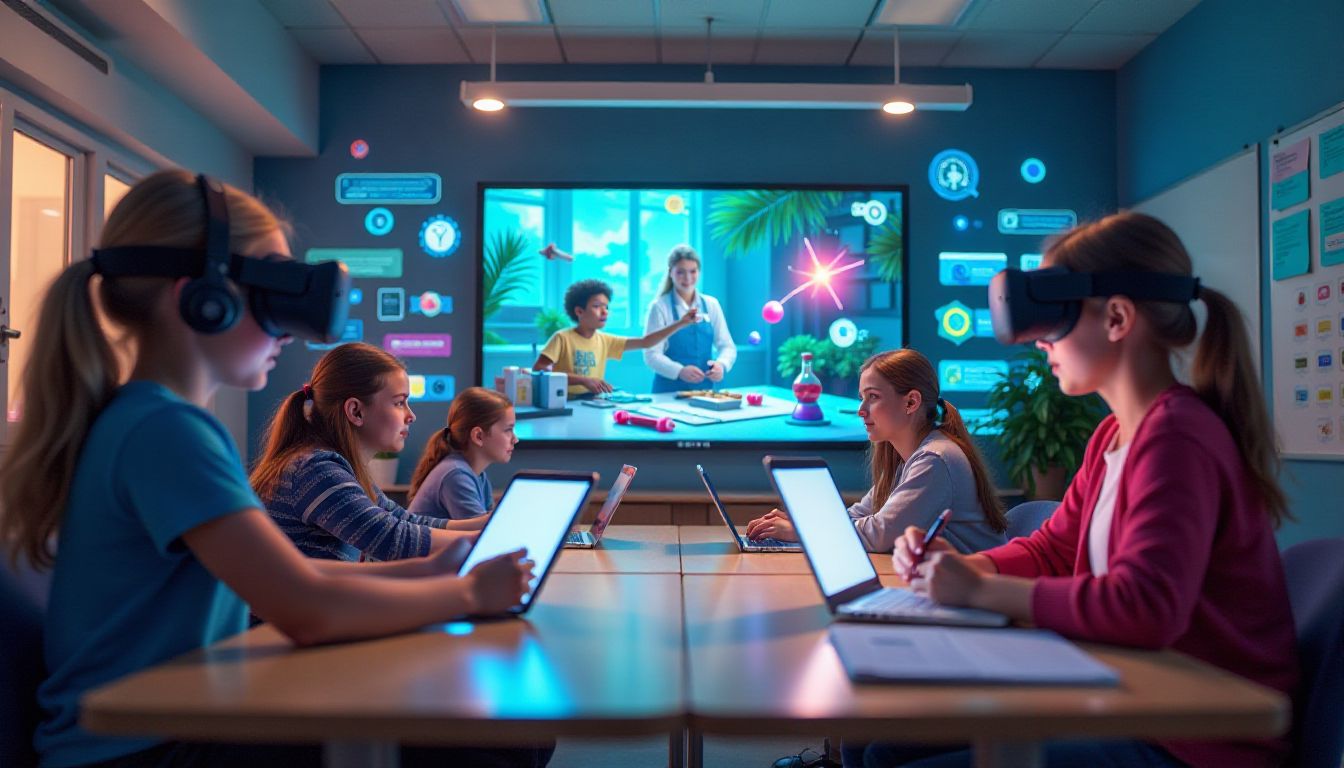
Interactive learning tools are revolutionizing the educational landscape by enhancing user engagement and improving overall learning outcomes. These tools leverage technological advancements to provide users with immersive experiences, making learning more dynamic and interesting. By facilitating active participation, they create an environment that encourages curiosity and drives learners to explore subjects deeply. For instance, platforms like Kahoot! and Coursera leverage quizzes and gamified learning experiences to increase motivation and retention, showcasing the tangible benefits of integrating interactive methods in traditional learning settings.
Types of Interactive Learning Tools
Various interactive learning tools cater to different learning styles and preferences, aiding in comprehension and retention of information. Here are some essential types:
- Gamified Learning Platforms: Tools like Kahoot! use gamification to create competitive quizzes that appeal to learners’ innate desire for challenge and rewards. These platforms can lead to increased participation, as learners often enjoy competing against peers.
- Simulation Software: Programs like Labster help students conduct virtual labs, allowing practical application of theories in safe yet realistic environments. This experiential learning reinforces concepts and processes more effectively than traditional lectures.
- Collaborative Learning Tools: Applications like Google Classroom foster peer interactions through group assignments and shared resources. Collaboration lets students benefit from diverse viewpoints and fosters social learning, enhancing both engagement and understanding.
Benefits of Using Interactive Tools for User Engagement
The effectiveness of interactive tools extends beyond mere engagement; they enhance comprehension and retention in significant ways. Here are some key benefits:
- Increased Retention Rates: Research indicates that interactive learning can improve retention rates by up to 60%. This is likely due to active participation keeping learners engaged and making the learning experience more memorable.
- Personalized Learning Experiences: Many interactive tools adapt to users’ learning paces and styles, providing tailored feedback and enabling learners to grasp difficult concepts at their own speed. This personalization allows students to take ownership of their learning journey.
- Instant Feedback Generation: The ability for learners to receive immediate feedback through quizzes and interactive activities can motivate them to correct their mistakes and make adjustments in real-time. This quick feedback loop fosters a growth mindset and encourages continuous improvement.
With the integration of interactive learning tools across various educational settings, it is essential to observe their profound impact not only on engagement but also on learners’ overall experience. By encouraging active participation and fostering personalized learning adventures, these tools could very well be the future of education, paving the way for a more engaged and successful generation of learners. As we continue to explore this dynamic educational frontier, the importance of evaluating the effectiveness of these interactive tools will only become more critical.
Explore our other content in the Technology category.
The Role of Technology in Enhancing Digital Learning Experiences
Technology plays a pivotal role in transforming education by enriching digital learning experiences. With the growing demand for online learning options, educators and institutions have embraced various technological tools to facilitate effective teaching and learning methods. This integration leads to enhanced engagement, personalized learning, and improved accessibility for learners of all ages. As students navigate this digital landscape, understanding how technology influences their learning environment can significantly impact their educational outcomes.
Interactive Learning Platforms and Tools
Interactive learning platforms have revolutionized the way students engage with educational content. Tools like learning management systems (LMS), virtual classrooms, and educational apps provide avenues for interactive learning. These platforms often include features such as:
- Gamification: Incorporating game-like elements into educational activities can increase motivation and engagement. For example, platforms like Kahoot! introduce quizzes in a playful format, fostering competition and collaboration among learners.
- Real-time Feedback: Many online tools provide immediate feedback on assessments, helping students identify areas for improvement quickly. This instant gratification supports a growth mindset, allowing learners to adapt and enhance their skills continually.
- Collaborative Tools: Technologies such as Google Classroom and Microsoft Teams enable students to collaborate on projects, regardless of their location. These tools foster teamwork and prepare learners for a digitally-driven workforce.
Personalized Learning Experiences
Personalization in education has become increasingly essential, and technology significantly aids in tailoring learning experiences to fit individual needs. Adaptive learning technologies analyze student performance and adjust content accordingly. Here are some core aspects of personalized learning:
- Data-Driven Insights: Using analytics, educators can track student progress and identify patterns, helping to intervene promptly when issues arise. For instance, platforms like DreamBox Learning provide real-time analytics to guide instruction precisely.
- Diverse Learning Methods: Technology supports varied instructional strategies by offering multimedia resources, such as videos, podcasts, and interactive simulations. This diversity allows students to engage with content through their preferred learning styles, be it auditory, visual, or kinesthetic.
- Flexible Learning Paths: With online resources, learners can progress at their own pace, allowing them to take extra time on challenging subjects or advance faster in areas where they excel. This flexibility is essential in fostering a love for learning and self-directed study habits.
In conclusion, the role of technology in enhancing digital learning experiences is multifaceted, encompassing interactive platforms and personalized learning strategies. As educators and learners continue to explore this digital realm, the possibilities for improvement and innovation will undoubtedly expand, leading to richer, more fulfilling educational journeys. With the right tools and approaches, technology not only complements traditional learning but transforms it into a dynamic and engaging experience.
Check out our articles for developments in the world of technology.

Benefits of Interactive Learning Tools in Educational Environments
Interactive learning tools are transforming educational environments by enhancing student engagement and comprehension. These tools, which include applications, virtual simulations, and collaborative platforms, empower learners to explore concepts in an immersive way. Unlike traditional learning methods, interactive tools prompt students to take an active role in their education, fostering a more engaging learning atmosphere. The myriad of benefits associated with these modern educational tools makes them an essential component of contemporary teaching strategies.
Enhancing Engagement and Motivation
One of the most significant advantages of interactive learning tools is their ability to boost engagement and motivation among students. By integrating gamification elements, such as rewards and challenges, these tools create an enjoyable learning experience. When learners are enthusiastic about the subject matter, they are more likely to participate actively and retain information. Here are some key points to consider:
- Gamified Learning: Incorporating game-like features encourages competition, which can be a powerful motivator. Students may strive to complete tasks or achieve high scores, making learning feel like an exciting challenge.
- Instant Feedback: Interactive tools often provide immediate feedback on student responses, allowing for quick identification of areas that need improvement. This instant insight helps learners to adjust their strategies on the spot.
- Sparking Curiosity: The hands-on, exploratory nature of interactive tools ignites curiosity, prompting students to ask questions and seek out answers on their own, thereby fostering a growth mindset.
Facilitating Personalized Learning Experiences
Another significant benefit of interactive learning tools is their capacity to facilitate personalized learning experiences. Every student has unique learning preferences and paces, and interactive tools allow educators to cater to those individual needs effectively. Below are some aspects to consider regarding personalized learning:
- Differentiated Instruction: Interactive tools enable teachers to create different pathways for students, allowing them to progress based on their learning speeds. This ensures that each student receives the appropriate level of challenge.
- On-Demand Resources: With access to a variety of multimedia resources, students can choose how to engage with content that resonates with them, whether through videos, podcasts, or interactive quizzes.
- Tracking Progress: Interactive tools often come with analytics that track learner progress, enabling educators to pinpoint strengths and weaknesses, thus allowing for timely interventions that can help students succeed.
In summary, the benefits of interactive learning tools in educational environments are immense and multifaceted. By enhancing engagement and offering personalized experiences, these tools significantly enrich the learning process for students. As educational practices continue to evolve, incorporating such tools not only prepares learners for the future but also makes the journey of acquiring knowledge far more enjoyable and effective.
Measuring User Experience: How Interactive Tools Influence Learning Outcomes
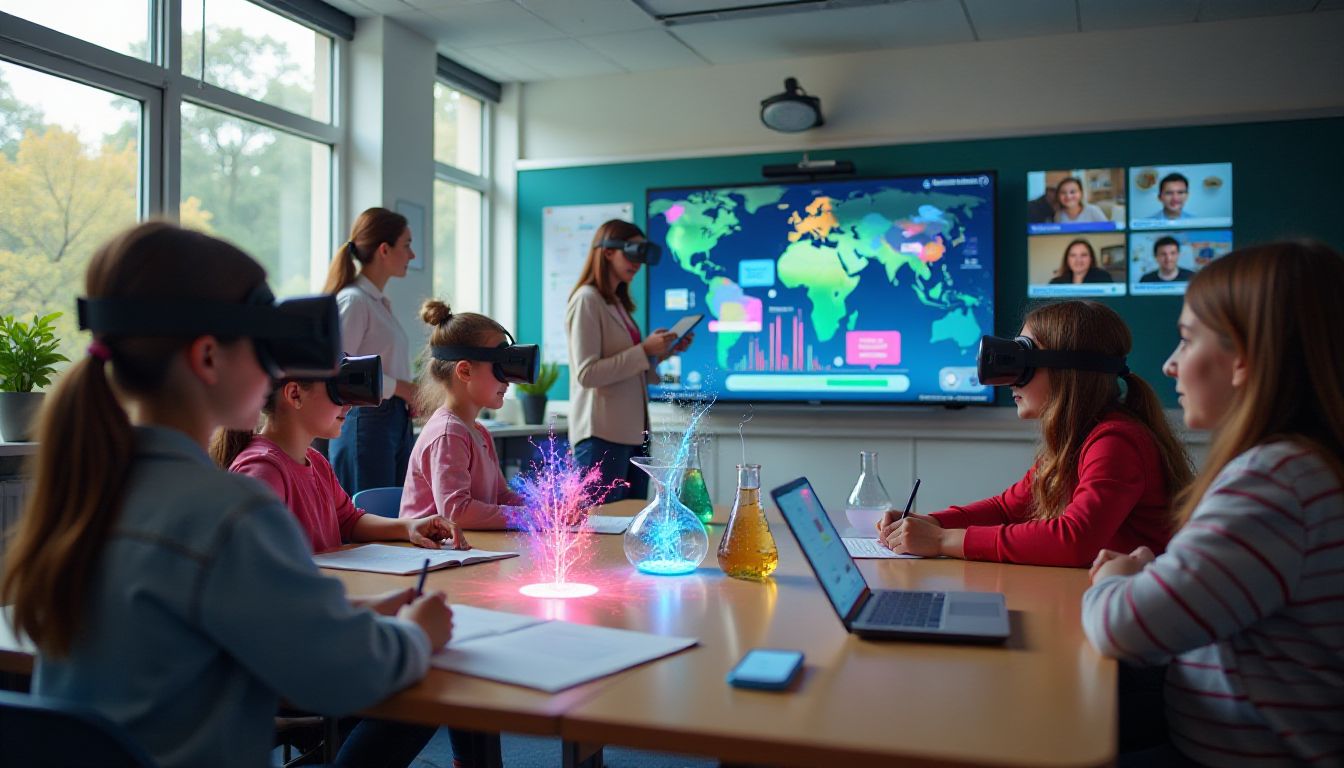
User experience (UX) plays a crucial role in shaping educational outcomes, particularly when it comes to engaging interactive tools. These tools, which range from online quizzes to simulation games, not only make learning more enjoyable but also enhance retention and understanding of complex subjects. By creating an immersive environment, interactive tools can cater to diverse learning styles, compelling learners to actively participate, which is essential for effective knowledge acquisition. As educators and institutions begin to measure the effectiveness of these interactive technologies, they are discovering that the positive impacts on user experience often correlate with improved learning results.
Understanding Interactive Tools in Education
Interactive tools refer to any software or application that facilitates engagement through user interaction. Examples include:
- Virtual Simulations: These allow learners to immerse themselves in practical scenarios, enabling them to apply theoretical knowledge in a controlled environment.
- Gamified Learning: Incorporating game-like elements, this approach motivates learners through rewards and challenges, making the learning process more dynamic and less daunting.
- Collaborative Platforms: Tools such as discussion forums and project management software promote teamwork, encouraging knowledge sharing among peers.
Research indicates that when students engage with these tools, they report higher satisfaction levels and greater motivation, which often leads to improved academic performance and retention rates. How do these tools create such an impact? By delivering personalized feedback and fostering a sense of community, they help learners feel more connected and in control of their educational journey.
The Link Between UX and Learning Outcomes
Measuring user experience involves assessing how learners interact with educational tools and the perceived value they derive from them. Factors to consider include:
- Usability: Is the tool easy to navigate? A user-friendly interface ensures that learners can focus on content rather than struggling with technology, which can mitigate frustration and disengagement.
- Engagement: Does the tool encourage participation? Tools that captivate learners through interactivity tend to yield better retention and understanding of concepts.
- Feedback Mechanisms: Are there opportunities for learners to receive immediate feedback? Timely insights enable students to correct mistakes and reinforce learning points effectively.
Overall, it becomes evident that the combination of user-friendly design and enriching content is paramount for enhancing educational outcomes. Interactive tools not only transform passive learning into an engaging experience but also empower learners, ultimately leading to deeper understanding and improved academic success.


